Totale besoekerstal
- Artikels vertoon Trefslae
- 9959432
Besoekers aanlyn
Ons het 92 gaste en geen lede aanlyn
|
|


Teken aan
Media
Reuters berig oor wat verwag kan word na Mandela se afsterwe
| |  |
|  | Trefslae: 3013
| | Trefslae: 3013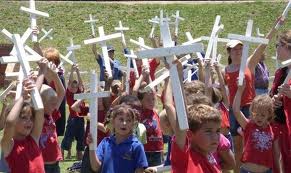 FEAR OF MAYHEM (disorder and confusion)AFTER MANDELA’S DEATH
Search the words “fear, Mandela and death” and the headings of websites include “Blacks will massacre whites after Mandela’s death”, “South Africans fear Mandela’s death” and “White genocide after Mandela’s death in SA?”.
In die Saturday Star verskyn ‘n berig van Reuters oor verskillende bronne se menings van wat te wagte kan wees na Mandela se dood. Die ironie is dat dit juis die media is wat van ‘n terroris ‘n “ikoon” gemaak het en in die proses miljoene mense regoor die wêreld mislei het oor wie en wat Mandela regtig is. In dieselfde proses is die Afrikanervolk beskuldig van optredes wat as ‘n misdryf teen die mensheid bestempel is wat strafbaar met die dood is. Hoe onregmatig en ongegrond hierdie aantygings ookal is, dit het die klimaat geskep vir ‘n ongebreidelde haat en moord veldtog teen die Blankedom in Suid Afrika en dit sonder die Amerikaanse en Britse regerings se afkeuring, inteendeel eerder hulle goedkeuring deur hulle stilswye!
Die Britte het dit beklemtoon deur aan die Mau Mau terroriste verskoning aan te bied met geldelike vergoeding aan die naasbestaandes terwyl hulle na verskeie navrae steeds weier om verskoning aan die Afrikanervolk aan te bied vir hulle barbaarse, onmenslike en veragtelike optrede teen die Afrikaners tydens die Anglo Boere Oorlog. Dit is ‘n duidelike aanduiding van die gesindheid van die Britse regering jeens die Afrikanervolk as dit saamgelees word met hulle betrokkenheid om ʼn magsoordrag in Suid Afrika te help bewerkstellig.
Die dreigemente teen die Afrikaner met die afsterwe van Mandela is nie fiksie nie maar wesentlik en is bloot uitgerafel deur die tyd wat dit vir Mandela neem om te groet. As gevolg daarvan is dit onwaarskynlik dat daar ‘n goedgeorganiseerde landswye optrede sal wees. Dit is egter nie uitgesluit dat daar sporadiese optredes van enkele groepe sal wees nie en dus is dit raadsaam om paraat te wees en nie onverhoeds gevang te word nie.
June 15 2013 at 02:35pm
By Kashiefa Ajam
Reuters
While the country waits with bated breath for news of Nelson Mandelas health, some South Africans breathe a sigh of relief when they learn that the ailing statesmans condition is improving. Because these South Africans live in fear of the day Mandela dies. It is widespread. Search the words “fear, Mandela and death” and the headings of websites include “Blacks will massacre whites after Mandela’s death”, “South Africans fear Mandela’s death” and “White genocide after Mandela’s death in SA?”.
There are thousands of websites from interest groups to social networks and news sites. It happens whenever Mandela is admitted to hospital. There is a fear on the part of some white people that black people will no longer hold back - that they will wield sjamboks, knives and guns and take what they believe is owed to them. It will be chaos, they say; the country will burn.
Far right organisations warn white people to be prepared, protect their families, unless they have handed in their firearms as the ANC government requested a few years ago. This, they say, was the government’s plan all along.
This week Media 24 reported how the SANDF had been placed on standby after a secret contingency plan kicked in when Mandela took ill. Soldiers were warned to prepare themselves about 10 days ago, before Mandela was even admitted to hospital. Most notable were the comments from ordinary citizens expressing fear. One user, Oamis Lacad Ariedlac, wrote that the story of “uhuru” against the white population was widespread. “I’ve been informed that payback is on it’s way after Mandela departs. All we need is a small group of like-minded individuals to fulfil this prophecy. I hope I’m wrong, but reality cannot be ignored, nor the high level of impoverishment/ dissatisfaction at grass roots level. Now with Malema and his ilk seeking a following, more fiery rhetoric will be expected, further exacerbating the potential for conflict.”
Leon Wolfe wrote: “The poorest of the poor will use it as an excuse to loot, the stupidest of the stupid will use it as an excuse to murder. The ANC will run away, the US (already on their way) will use it as an excuse to “restore order” and secure SA’s mineral resources for themselves. And then it’s going to hit the fan. Sing your praises about harmony and ubuntu if you like. See the number of violent service delivery protests as an example of the reigning mentality in this country. Be ready or be dead.”
The reports stretch from as far afield as Australia, the UK and the US. This is what some South Africans are telling them. Earlier this year Father Sebastian Rossouw, of the Regina Mundi Catholic Church in Soweto expressed his fear to The Australian: “Many of us fear that what he stood for will also die. It’s a concern that when Mandela goes there will be a threat of civil war. People are concerned that if he dies, will we still have democracy? Will we still have peace?” Ernst Roets, deputy chief executive of racial minority rights group AfriForum, told The Guardian that peacekeeping organisations are working to resolve people’s concerns.
“We get a lot of fear. We do get calls from people saying they’re scared about the day Mandela dies and what they should do. There are fringe organisations that say ‘flee the country’. We are encouraging people to be aware and look after their own safety.”
Political commentator Max du Preez was lambasted after he criticised the naysayers. “A softer version of the ‘white genocide’ scare is that the ANC would regard the end of Mandela as a kind of licence to start behaving like Zimbabwe’s Zanu-PF because the last voice of tolerance, reason and reconciliation had fallen silent. Even more moderate people believe Mandela’s death would lead to a sharp decline in the worth of the rand and the stock exchange,” he wrote. “I suspect the only consequence of Mandela’s death is going to be a period of sadness, nostalgia and a feeling of national coherence. It will remind South Africans of all groups and persuasions of the almost miraculous transition from apartheid to democracy and of the golden era under his presidency after 1994.” - Saturday Star