
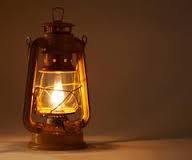
 Terwyl alles besig is om af te skaal en menige industrieë gereed maak om te sluit vir die feesseisoen in Desembermaand, kondig die ANC regime beurtkrag aan! Daar kan aan ‘n hele paar redes gedink word, maar verhoogde kragverbruik soos gedurende die wintermaande, is nie een daarvan nie. Die hoofrede daarvoor is veel eerder die verbruik van krag sonder om daarvoor te betaal. As aanvaar word dat dit een van die hoof oorsake van Eskom se finansiële probleme is, kan daar begryp word dat instandhouding van die kragstasies en kragvoorsieningsnetwerke erg daaronder sal ly. Daarmee saam is die enorme salarisse, bonusse en wanpraktyke sonder weerga, nie ‘n onbenullige faktor in die strukturering van ‘n veronderstelde bekwame, bevoegde en goed beplande diensleweringsorganisasie nie.
As Eskom dreig om tot stilstand te kom, kan begryp word dat besparing deur beurtkrag oor die korttermyn verligting sal bring. Wat daarmee saamgaan is die verhoging van tariewe aan die blanke gemeenskap, besighede en industrieë. Dat Eskom ‘n noodsaaklike bron van inkomste vir die hordes geldhonger swart amptenare in munisipaliteite regoor Suid Afrika is, word bevestig deur enersyds die praktyk van geskatte verbruik waarvoor die verbruiker aangeslaan word totdat hy so bohaai maak dat hulle krediet toestaan na maandelange stryd, en andersyds die ANC se volstrekte weiering om kragverbruik te privatiseer. Na die berigte wat volg is ‘n ontleding van die miljarde wat munisipaliteite aan Eskom verskuldig oorbodig en ‘n voorspelling van toekomstige vooruitgang nie moeilik nie. Dit kom daarop neer dat nie die wigte of die teëwigte van de Klerk “gecheck” of “gebalance” kan word nie!
Soweto - Zodwa Madiba has not paid an electricity bill in 14 years and is resolute she never will, holding the African National Congress (ANC) to vague promises made in the dying days of apartheid to provide free electricity to all South Africans. Such defiance is widespread in the sprawling township of Soweto, crucible of the anti-apartheid struggle and home to 1.5 million people who, between them, owe state power utility Eskom R3.6bn ($327m) in unpaid bills.
Mantashe: ANC won't privatise electricity
Nov 24 2014 20:50
Johannesburg - The ANC is not in favour of privatising the country's power system, despite problems with parastatal Eskom, secretary general Gwede Mantashe said on Monday. "Electricity remains a public good and therefore, if you totally privatise it, it will have problems," Mantashe told reporters at the African National Congress's headquarters at Luthuli House, in Johannesburg. "Privatisation of electricity supply is not a panacea," he said.
Eskom resorted to rolling blackouts at the weekend and declared a power emergency with large industrial customers on Sunday. It has said the country's power supply is likely to remain "constrained for the foreseeable future". Mantashe said the ANC acknowledged there were problems at a number of state-owned companies (SOCs). "What we are registering is that, as the ANC, we are concerned about what is happening in a number of SOCs. "We must pay attention to that and try to address the problems that are emerging there." He was giving a report back on the ANC's national executive committee meeting in Irene at the weekend.
Eskom's electricity struggle: Unpaid bills
Nov 20 2014 05:00
Soweto - Zodwa Madiba has not paid an electricity bill in 14 years and is resolute she never will, holding the African National Congress (ANC) to vague promises made in the dying days of apartheid to provide free electricity to all South Africans. Such defiance is widespread in the sprawling township of Soweto, crucible of the anti-apartheid struggle and home to 1.5 million people who, between them, owe state power utility Eskom R3.6bn ($327m) in unpaid bills. Although the sum is dwarfed by the R225bn revenue shortfall Eskom says it faces over the next 4-5 years, it is important symbolically as the utility battles to raise money for new power stations needed to keep the country's lights on.
Eskom generates almost all the electricity in South Africa, and nearly half that produced in the whole the sub-Saharan region. Prices are set by the energy regulator, but Eskom says it costs more to produce than what South Africans pay for it. Given Soweto's history since the 1960s of militant activism - such as burning barricades, school boycotts and a systemic refusal to pay utility bills - locals are unlikely ever to pay up, setting a disturbing example for the rest of the country.
Read: R68bn needed to fix infrastructure backlog
Soweto owes more for electricity than the rest of the country put together, where arrears total just R2.6bn. "If you remember, when this government entered they said 'Free electricity for all'. Tell me: what does that mean?" asks Madiba, a 57-year-old community activist and member of the Soweto Electricity Crisis Committee (SECC). Founded to counter the government's refusal to deliver free or affordable electricity, the group says Sowetans continue to suffer from poverty and joblessness that linger 20 years after white rule ended.
"At that time people were fighting apartheid, so they didn't pay. Now, they just don't have money. Young, old and middle aged, there are no jobs. People are depending on grants from their granny," Madiba says. Under the ANC, millions of South Africans have escaped poverty through social welfare but the grants are weighing on government finances, especially as the economy stalls and one in four people remain without work.
Read: Municipalities to extend free basic services
Eskom is in something of a vicious cycle: without economic growth, powered by electricity, there will not be enough tax money for sustained social spending and to invest in infrastructure, including power generation. With Eskom in financial trouble, the government says all South Africans should do their bit, a message widely rejected in Soweto, where the SECC regularly reconnects - illegally - those whose power has been cut off. The utility says it has a plan to improve debt collection and get customers paying but declined to comment on Soweto's history of institutionalised delinquency.
Ten years ago it was forced to write off R1.4bn in debts owed by Sowetans, creating the impression for residents that they can get away with it. "That's the bed Eskom made and they are starting to sleep in it. I don't know what else you can actually do," said economist Chris Hart at Johannesburg consultancy Investment Solutions.
Read: The reason for Emalahleni's R300m Eskom debt
"People need to be paying for those services. It's really as simple as that." Eskom's bad debts rose to 1.1% of revenue in 2013/14 from 0.82% the previous year, suggesting its billing plans have some way to go and emphasising the need for alternative funding. The government is injecting an extra R20bn into the utility, and may convert a R60bn loan into equity, but other funding options are narrowing fast. Moody's cut Eskom's credit rating to junk two weeks ago. "Eskom is not in a comfortable space because the credit rating agencies are looking at this and seeing there are multiple challenges at all levels," Hart said.
Read: Electricity: Municipalities R2.7bn in arrears